Reflecting on WWDC 2025: Notable Changes and Farewell Moments
While the grand stage of WWDC 2025 has officially concluded, the ripple effects of Apple’s latest innovations and strategic shifts continue to resonate. Although AI advancements were somewhat subdued during this year’s presentations, Apple made significant moves in redesigning its interfaces and updating core applications. Several features and technologies introduced or emphasized signal Apple’s plans to evolve, sometimes signaling a farewell to older standards and hardware.
Let’s explore the major elements Apple has announced to retire or transform, shaping the company’s future direction.
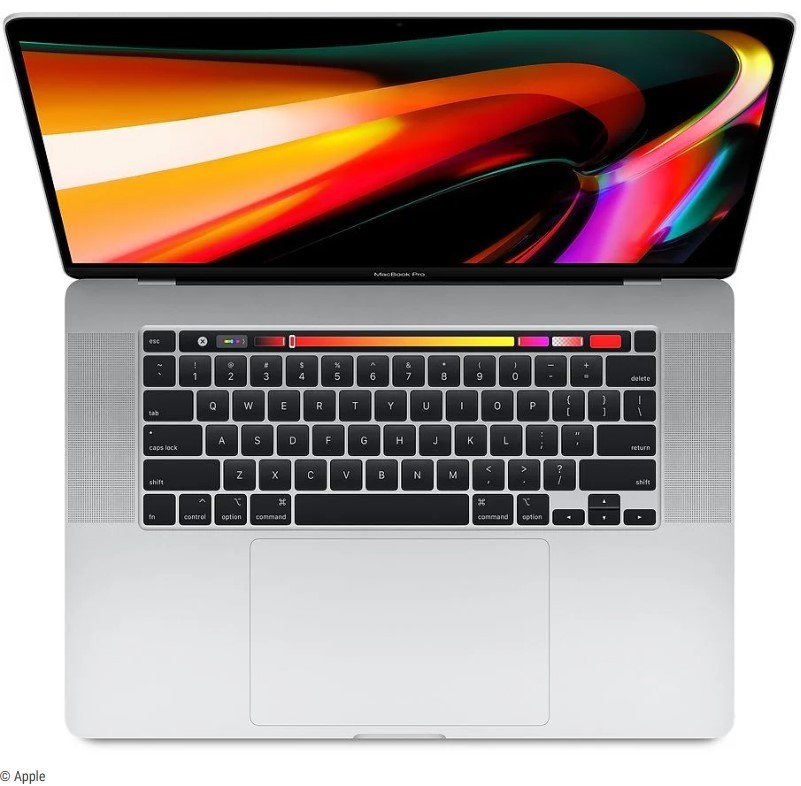
The End of Intel-based Macs
One of the most pivotal announcements was Apple’s decision to phase out Intel processors in favor of its own silicon. With the release of macOS Tahoe 26, Intel-powered Macs will reach their final update, marking the conclusion of an era that began over a decade ago. Apple’s transition to Apple Silicon chips, such as the M-series, continues to accelerate, delivering superior performance and energy efficiency. This shift not only streamlines hardware design but also consolidates Apple’s control over the entire ecosystem. For users still operating on Intel Macs, this signals the need to prepare for hardware upgrades, as support and updates will cease beyond this point.
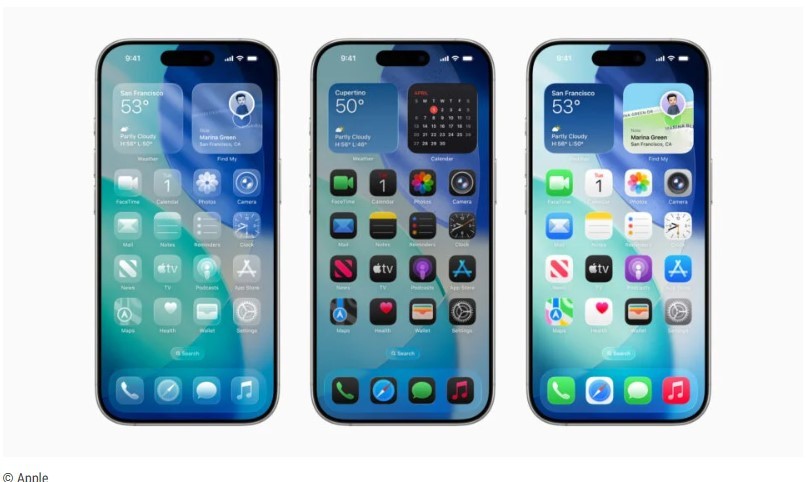
Redesigning Accessibility: A Step Back?
Apple introduced a new visual language called Liquid Glass, characterized by semi-transparent menus and dynamic scrolling text effects. While visually stunning, this aesthetic change may pose challenges for accessibility, especially for users with visual impairments or cognitive difficulties. The intricate transparency and motion effects could impair readability and focus, raising concerns about inclusivity. This marks a departure from Apple’s longstanding commitment to simple, clear interface design that prioritizes user accessibility. The shift suggests a potential trade-off between visual sophistication and usability for some segments of users.
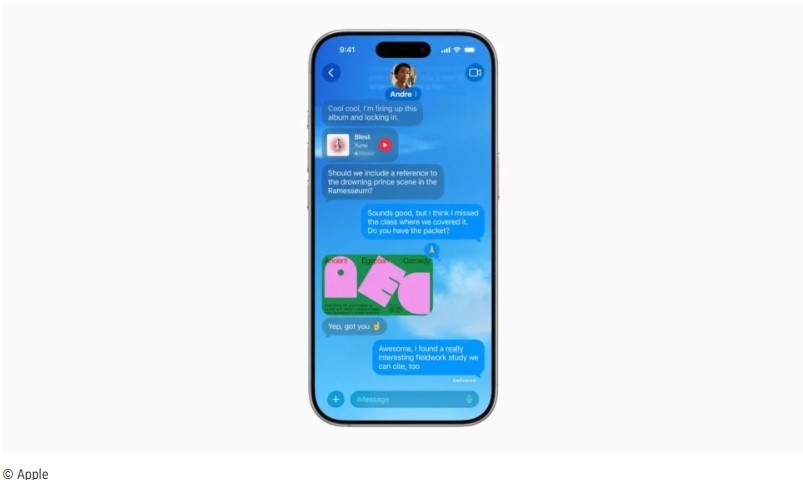
Messaging Evolves: Similarities to WhatsApp
The Messages app on iOS has undergone a substantial upgrade with the new iOS 26 release. Features such as customizable backgrounds, integrated polls, and enhanced multimedia sharing now bring Apple’s messaging platform closer to the popular features of WhatsApp. This evolution indicates Apple’s strategic move to capture a larger share in the competitive messaging landscape. Industry insiders speculate that scheduled messages or other advanced messaging functionalities might be introduced in future updates, further closing the gap with established third-party apps.

Challenging Google Translate with Live Translation
Among the most innovative features is the integration of real-time translation capabilities directly into FaceTime and Messages. This development puts Apple in direct competition with Google Translate, which has long been the industry standard for language translation. The ability to seamlessly translate conversations and texts within iOS enhances international communication and travel experiences. However, the true effectiveness of this feature will depend on its accuracy, speed, and language support, which remain to be fully tested in real-world scenarios.
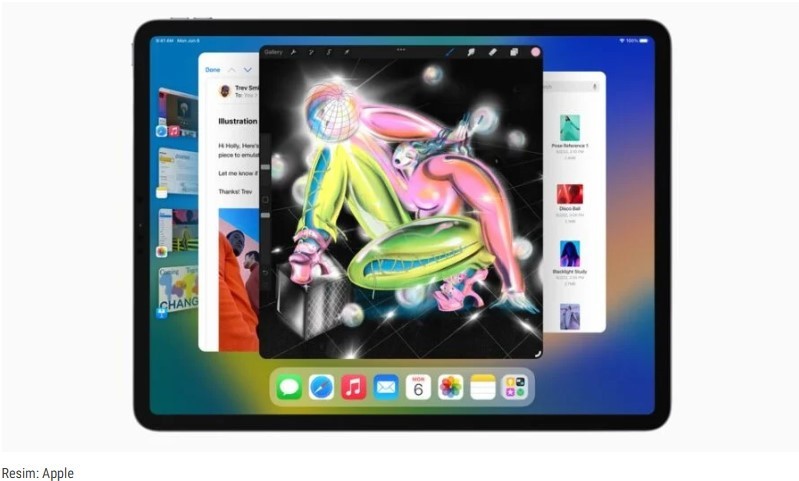
Stage Manager’s Disappearance and iPadOS Enhancements
This year, Apple effectively retired Stage Manager, a feature introduced to facilitate multitasking on iPads. In its place, iPadOS now offers a true desktop-like experience with flexible multi-window support, allowing users to open and position apps freely—paralleling the macOS environment. This significant upgrade simplifies multitasking and enhances productivity, especially for users who rely on their iPads for work. The change indicates Apple’s confidence in the new interface, rendering Stage Manager redundant.
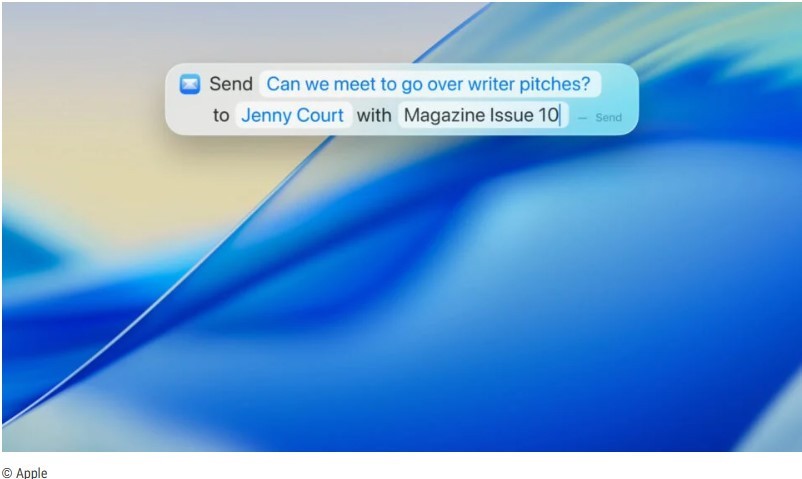
Spotlight Gets a Major Overhaul
The Spotlight search tool has been substantially upgraded in macOS. Beyond simple file searches, it now enables users to send messages, play music, and jot down notes directly from the search interface. These enhancements position Spotlight as a more powerful launcher, potentially rivaling third-party applications like Raycast. Although not yet a complete replacement, Spotlight’s expanded capabilities reflect Apple’s commitment to integrating more productivity features directly into core tools.

Apple Watch’s Personal Training: A New Competitor to Personal Trainers?
The latest Apple Watch update introduces Workout Buddy, an intelligent feature that offers personalized exercise suggestions based on user data. It provides real-time motivation and tailored routines, making health and fitness tracking more interactive and accessible. While it might not replace professional personal trainers entirely, this feature demonstrates Apple’s ambition to dominate the digital health coaching space. Its accessibility and continuous monitoring make it an appealing option for health-conscious users on the go.
Additional Articles of Interest
- When will iOS 26 be released? Which Apple devices will receive the update?
- Upcoming Apple products in 2025: A comprehensive overview
- iOS 26 unveiled at WWDC 2025: New features and improvements
- iPadOS 26: Key features and updates for iPad users
- Which iPhones will get iOS 19? Important updates ahead of WWDC 2025
- Introducing Smart Call Summaries with Apple Intelligence

 02:00
02:00


 News
News
 Breaking News
 Breaking News
 Breaking News
 Breaking News
 Breaking News
 Breaking News