42,7039$% 0.01
50,2283€% 0.13
57,2258£% 0.24
5.964,45%1,07
9.555,00%1,54
38.410,00%1,46
4.347,63%1,13
11.448,61%1,21
3823473฿%0.73238
3452.26Ł%1.37554
134666Ξ%2.84797
84.76%-0.46494
42.7$%0.2706
02:00
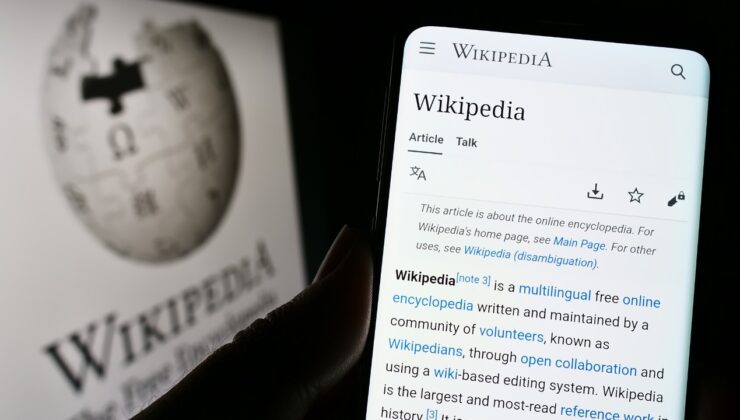
The Wikimedia Foundation recently unveiled a pioneering project aimed at enhancing Wikipedia’s accessibility by utilizing artificial intelligence to generate concise article summaries. The goal was to streamline information retrieval for readers, especially on mobile devices. The AI model, named Aya, was scheduled for a limited two-week trial on the mobile version of Wikipedia. However, this innovative approach faced unexpected and vehement opposition from the volunteer editor community, prompting the Foundation to halt the project temporarily.
The announcement of the trial was made on the project’s discussion page, where community members voiced strong objections. Comments like “Absolutely no” and “I strongly oppose” reflected widespread concern. Many editors argued that integrating AI-generated summaries could compromise Wikipedia’s integrity, erode reader trust, and threaten the collaborative ethos that underpins the platform. One prominent editor emphasized that such AI summaries might conflict with Wikipedia’s core principles, stating, “Readers rely on Wikipedia for neutrality and accurate sourcing. If this trust is broken, Wikipedia risks becoming just another superficial information site.”
Furthermore, critics pointed to recent high-profile errors caused by AI systems on other major platforms to illustrate potential pitfalls. Examples included Google’s AI summarization suggesting users should apply glue to their pizzas, and inaccurate notifications from Apple that could mislead users. These incidents underscored fears that AI mistakes could cause lasting damage to Wikipedia’s long-standing reputation for accurate and reliable information. The community’s consensus was clear: the risks outweighed the benefits at this stage.
In response to this widespread opposition, the Wikimedia Foundation’s representative, Marshall Miller, publicly announced that the project had been withdrawn. He acknowledged the community’s concerns, stating, “We value the insights and opinions of our volunteer editors and realize we could have approached this rollout more thoughtfully.” Miller also reassured users that the Foundation remains committed to exploring innovative solutions to improve Wikipedia, but emphasized that any future AI integration would require thorough community approval.
This episode exemplifies the delicate balance between technological innovation and preserving Wikipedia’s foundational principles. The community’s vigorous response highlights their dedication to maintaining the platform’s credibility and collaborative spirit. Moving forward, discussions about the role of AI in content creation and enhancement are expected to intensify, with many stakeholders advocating for cautious and transparent approaches to technological adoption on Wikipedia.
Lenovo Hosts Inaugural Artificial Intelligence Marathon Event
1
Evaluating Trust: Are Employees Reliable with Artificial Intelligence?
324 kez okundu
2
Innovative 14-Year-Old Develops Early Heart Disease Detection App
260 kez okundu
3
Discover AI Videos with Google Veo 3: Launches in New Countries Featuring Ultra Subscription and Enhanced Security
250 kez okundu
4
Hollywood Gets a New AI Twist: OpenAI’s Movie Featuring Sam Altman in the Spotlight
228 kez okundu
5
Samsung’s Galaxy S26 Could Disrupt Google: A Major Industry Shakeup
154 kez okundu